

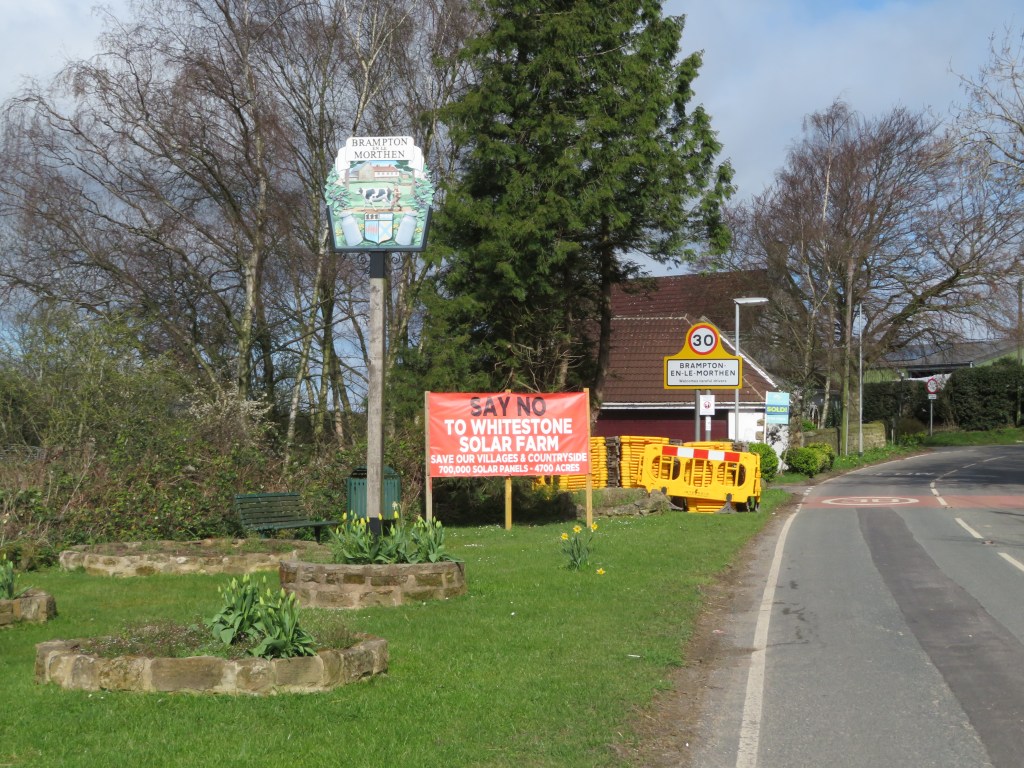
As the English Devolution and Community Empowerment Act has just received royal assent, and with upcoming local elections likely to produce turbulent outcomes, it’s a good moment to reflect on what community empowerment really means in planning circles.
Done properly, community empowerment means empowering all-comers, regardless of political taste or status. I was recently asked whether I thought planning should be insulated from party politics; my answer was a categorical ‘no’. Planning is one of the few ways citizens directly engage with regulatory systems, and for that engagement to work it must be democratically accountable. Electoral politics are therefore fundamental to it.
The debate about political involvement in planning decisions has become reductive. We see developers frustrated when councillors seem more motivated by their voters or their party than by planning regulations and due process. Meanwhile, communities facing major proposals often feel that development is done to them rather than for or with them, and that recent changes are making objection harder. Whatever the real intent of these changes, this “both sides lose” mood is dangerous, leading to low engagement in mistrust. Planning exists to mediate between competing interests, not leave everyone equally disgruntled.
I’ve lost count of the number of times I’ve heard it said that “people just don’t like change”. But if this were true, why would so many election campaigns promise it? Or, more philosophically, why would anyone do anything if not to change something? I wash my clothes to change them from dirty to clean. What people fear is not change, it’s loss. Planning decisions are designed to be made on balance, such that the gains outweigh the losses. But often different people experience the gains from those who experience the losses. And as soon as you try to aggregate the benefits and harms, the damage is done, because the losses – and those who feel them – are swallowed up by shifting baseline syndrome.
Consider a proposed housing development on a green space. Future residents would benefit from homes but may find themselves in a neighbourhood without enough green space; but they don’t engage because they aren’t there yet. The losers are those for whom that green space is precious, and they have every opportunity to make themselves heard.
What is often overlooked is that those who lose out are not indifferent to the needs of others. Some years ago I saw this at an appeal inquiry concerning new housing in a picturesque village. A passionate community representative said, “It’s the executive homes we object to. If they’re built, we’ll welcome the newcomers as part of our community. But what the village really needs is more young families and these homes won’t give us that.” That’s a far cry from the caricature of nimbyism.
Planners may often lament the state of local democracy. Certainly, councillors should be properly trained. But we should also ask what responsibility planning itself bears. The Labour MP Liam Byrne has argued that the visible decline of local high streets is a key driver of the public resentment towards institutions that fuels populism. “This area is really going downhill” is a phrase you hear in the street all too often, and not without reason. But we should be cautious: the French author Didier Eribon, in Returning to Reims, argues that defenders of a liberal, centrist status quo often label as “populist” any political expression that falls outside their own framework.
Planning risks a similar trap. When people raise concerns that don’t align neatly with policy – about high streets, shops, or local identity – these are often dismissed because they aren’t material planning considerations. We should be seeing such concerns as signals that planning is failing to work for communities in ways that matter to them. Instead we tend to use language that compartmentalises citizens and absolves planners of responsibility: ‘nimbys’, ‘greedy developers’, ‘selfish SUV drivers’, ‘lycra-clad cyclists’, ‘marginalised groups’, ‘builders v blockers’. I’m guilty of it myself, of course, but I feel sure we could make progress in empowering people by expunging this sort of weighted language from our lexicon.
A few years ago, I ran a planning training session for a community group in West Yorkshire. Amongst the regular contributors to such groups – retirees with some time to spare and a wish to “give something back” – was a young woman, a single parent who had brought her 7-year-old daughter along with her. The mother listened to me with one ear while she and her daughter drew pictures together. Eventually I realised they were drawing up what they wanted their community to look like, and it looked good. She was polite enough to me, but I could sense her seething with frustration at how little my advice could be of use to them in realising their vision. I wanted to clone that mother and daughter, so that they could infiltrate and transform community groups everywhere.
If local democracy is to work, participation must feel worthwhile. The strongest motivation for engagement is the belief that you can shape your surroundings for the better. Planning, if it is to reconnect with its roots in social change, must give communities that capacity. We need to show that young mother and her daughter a system that listens to them and works for them.
When you boil it down, most people want similar things from the places they live in, like wanting their local shopping parade, their park, their neighbourhood to function, and to feel safe. If planners can’t help them with these things, then we’re failing – irrespective of how quickly, efficiently or digitally we process planning applications. And if we can, then we’re also helping them to have confidence in institutions and democracy. Planning is a service for human beings, and until we learn to love human beings, I suspect we’ll continue struggling to justify what planning should be capable of.


Leave a Reply